

Losing weight after pregnancy is a common concern for many new mothers. While it’s important to approach postpartum weight loss with patience and a focus on overall health, several effective tips can help you shed those extra pounds. Here are some strategies to help you lose baby weight after pregnancy:
1. Be Realistic: Understand that it took nine months to gain the pregnancy weight, so it’s reasonable to expect it to take some time to lose it. Aim for gradual weight loss, such as 1-2 pounds per week, to avoid putting too much stress on your body.
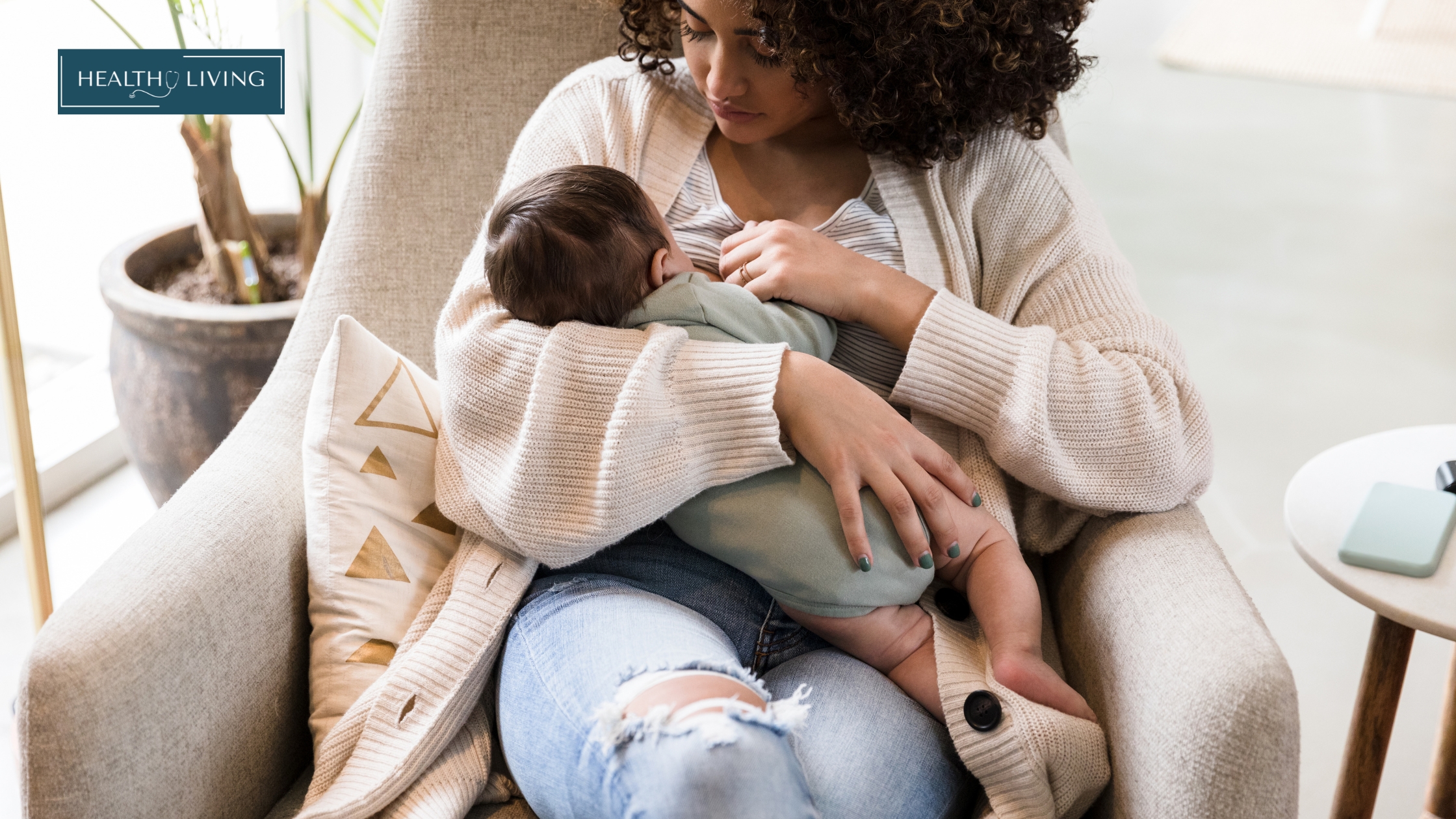
2. Breastfeed: If you’re able to breastfeed, it can help you burn extra calories and lose weight faster. Breastfeeding also offers numerous health benefits for both you and your baby.
3. Eat Nutrient-Dense Foods: Focus on eating whole, nutrient-dense foods such as fruits, vegetables, whole grains, lean proteins, and healthy fats. These foods will provide you with the energy and nutrients you need to recover from childbirth and care for your baby.

4. Stay Hydrated: Drink plenty of water throughout the day to stay hydrated. Sometimes thirst can be mistaken for hunger, so staying hydrated can help you avoid unnecessary snacking.
5. Get Moving: Start with gentle exercises like walking or postnatal yoga as soon as your healthcare provider gives you the green light. As you regain strength, gradually increase the intensity and duration of your workouts.
6. Get Plenty of Sleep: Lack of sleep can contribute to weight gain, so try to get as much rest as possible. If you’re having trouble sleeping, try to nap when your baby naps or ask for help from your partner or family members.

7. Seek Support: Joining a postpartum support group or talking to other new mothers can provide you with the encouragement and advice you need to stay motivated on your weight loss journey.
8. Manage Stress: Find healthy ways to manage stress, such as meditation, deep breathing exercises, or spending time with loved ones. Stress can contribute to weight gain, so it’s important to find ways to relax and unwind.
9. Set Realistic Goals: Instead of focusing solely on the number on the scale, set goals that are realistic and achievable. For example, aim to fit into your pre-pregnancy jeans or to improve your overall fitness level.
10. Be Kind to Yourself: Remember that your body has just gone through a major transformation, and it’s normal to have some extra weight after pregnancy. Be kind to yourself and celebrate the progress you make, no matter how small.
Postpartum Weight Loss: When Can You Start Dieting After Pregnancy?
Between caring for your newborn — which may not be your only child — and managing responsibilities outside of parenthood, losing weight after having a baby isn’t easy. It’s enough to make many women consider a diet or a postpartum weight-loss plan and wonder how soon they can start.
It’s important to note that while you may be eager to start dieting after pregnancy, it’s generally recommended to wait until your body has had a chance to recover, which can take several weeks. Rushing into a diet too soon can potentially affect your milk supply if you’re breastfeeding and can also deprive your body of the nutrients it needs to recover properly.
Instead of focusing on strict dieting right away, focus on making healthy food choices and gradually increasing your activity level as you feel able. Once you’ve had your postpartum checkup and your healthcare provider gives you the go-ahead, you can start incorporating more structured exercise and a balanced diet into your routine.
Remember, every woman’s body is different, so it’s important to listen to your body and not compare your progress to others. With time, patience, and a healthy lifestyle, you can achieve your postpartum weight loss goals safely and sustainably.


